English reading course · autumn

Deconstructing
Detective Fiction

Four crime stories. Twelve Sundays. Prepare one question, notice evidence in class, then practise one clear answer and say it again.

Dates13 Sep - 29 Nov
WhenSundays
13:30-15:30
You will makeShort answers
and retells
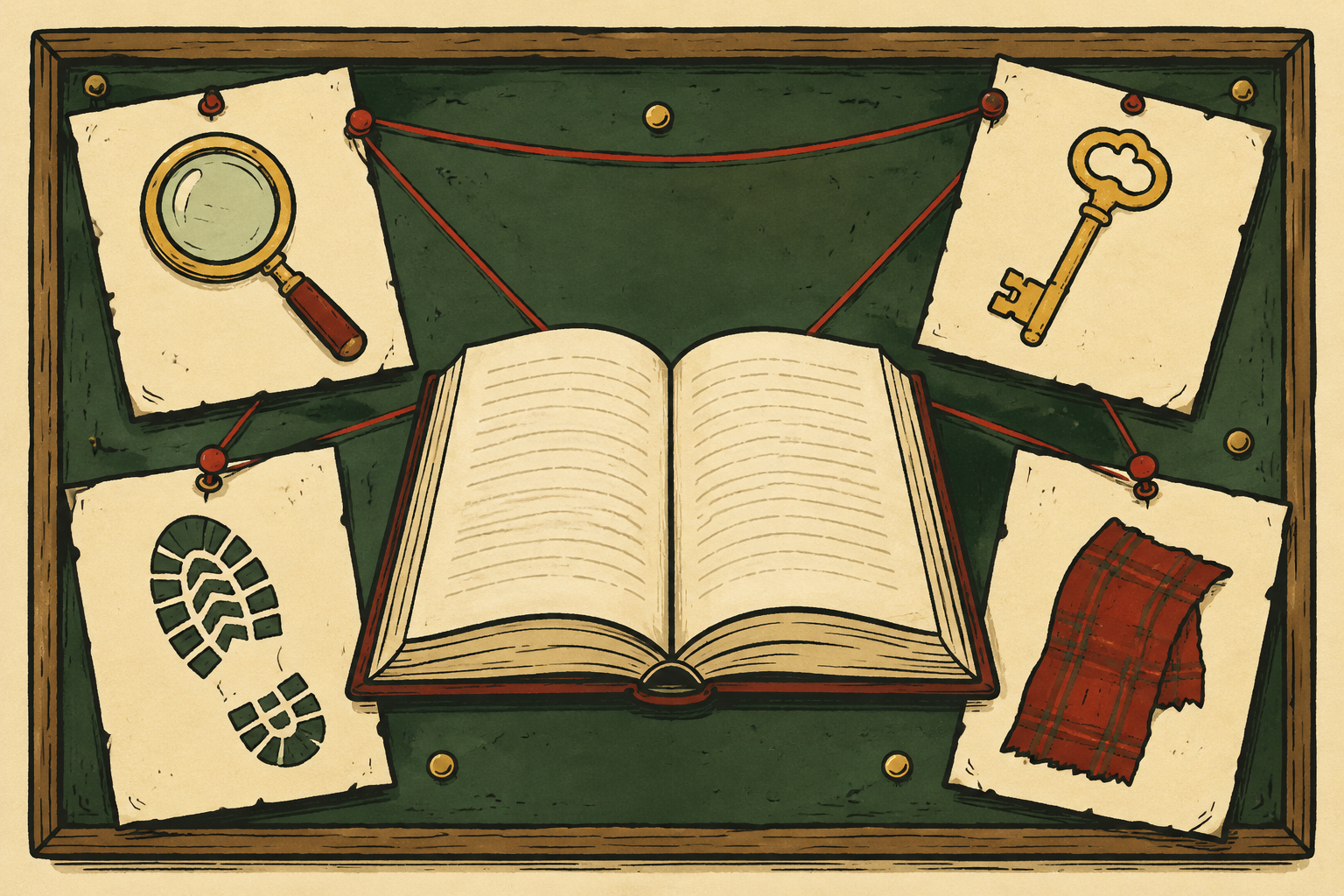
Open book, magnifying glass, keys and evidence notes for a crime story course
Read closely. Notice the evidence. Build your answer.
Read closely. Say one clear idea. Keep going.

01 / Your Sundays

One story, one question, one small task.

Every session follows the same easy rhythm: read, notice, speak, and try once more. Open a story page when you want the original text and your quiz.

01
13 Sep

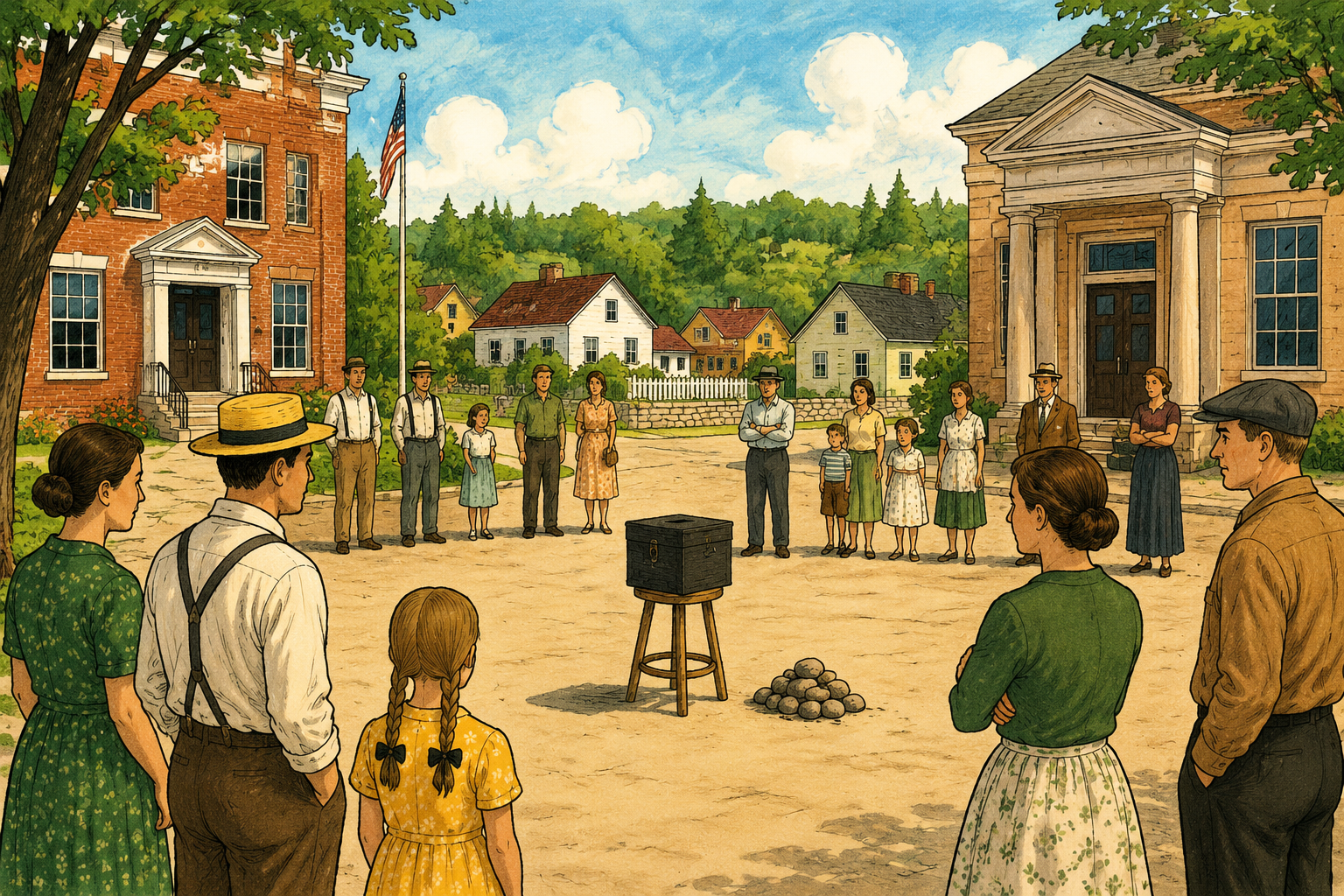
The Lottery: Part One

Read the first half for unusual details that build suspense.

Open this week's task

In class

Find one ordinary detail and one unusual detail. Say how the unusual detail makes you feel suspicious.

After class, 5-8 min

Choose one character and create a short fictional backstory. It can be imaginative and does not need to match the original story.

See a sample answer

Notice -> Evidence -> Idea

The village looks ordinary in the sunshine, but the children collect stones. This unusual detail builds suspense because it does not fit a normal summer morning.

Backstory starter

Before the story began, this character had lived in the village for many years. They knew the annual tradition, but they had one private worry about it.
02
20 Sep

The Lottery I: A Normal Day

Read the village setting for details that feel safe.

Open this week's task

In class

Find two ordinary details and one detail that makes you suspicious.

After class, 5-8 min

Say your answer within five seconds, then retell the opening in four sentences.

See a sample answer

Notice -> Evidence -> Idea

The square, sunshine and children playing make the village seem safe. But the children are collecting stones, so I feel suspicious because this detail does not fit an ordinary summer morning.

Second try

At first, the village seems calm. Then I notice the children gathering stones. This makes me think the day may not be as normal as it looks.

03
27 Sep

The Lottery II: A Rule and Its Cost

Ask how repetition, conformity and intergenerational tension make violence look lawful.

Open this week's task

In class

Discuss the Dunbar exception and Old Man Warner's defense of the ritual. Analyze how social conformity and the scapegoat mechanism silence doubt.

After class, 5-8 min

Answer: Why does Old Man Warner defend the lottery so fiercely? Write 5-7 sentences using because and record a 60-second explanation.

See a sample answer

Notice -> Evidence -> Idea

Old Man Warner scoffs at other towns giving up the lottery, claiming it would lead to barbarism. This suggests that the older generation mistakes a cruel ritual for civilization because conformity prevents questioning.

Second try

The villagers follow the tradition not because it is moral, but because everyone else conforms. Even Tessie only shouts 'It isn't fair!' when the black spot falls on her.

04
04 Oct

The Tell-Tale Heart I: Trust the Voice?

Notice how the narrator tries to control your opinion.

Open this week's task

In class

Find one repeated word or sudden change in tone.

After class, 5-8 min

Answer the core question, then record a clearer second answer.

See a sample answer

Notice -> Evidence -> Idea

The narrator repeats words about being calm and clever. This effort to prove sanity makes me question how reliable the voice is.

Second try

At first, I hear confidence. However, the repeated claims make the narrator sound anxious, so I do not accept every claim immediately.

05
11 Oct

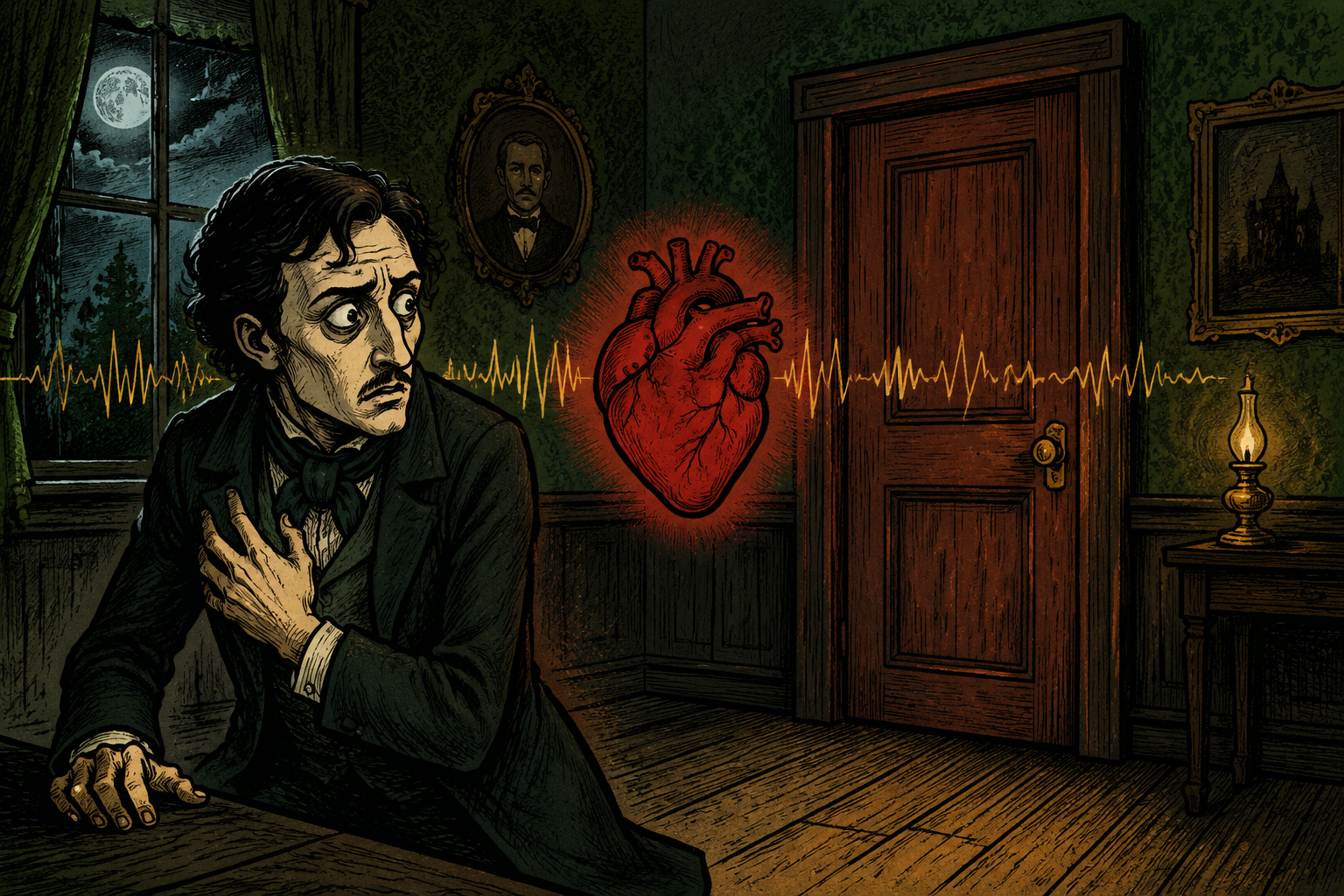
The Tell-Tale Heart II: The Sound of Guilt

Decide what the beating sound tells the reader.

Open this week's task

In class

Compare two possible meanings of the sound.

After class, 5-8 min

Retell the ending in four sentences and reuse one phrase from the page.

See a sample answer

Notice -> Evidence -> Idea

The sound becomes louder while the officers are present. It may be a real sound in the room, or it may show the narrator's fear and guilt.

Second try

The beating sound matters because it changes the narrator's behaviour. Whether it is real or imagined, it makes hiding the crime impossible.

06
18 Oct

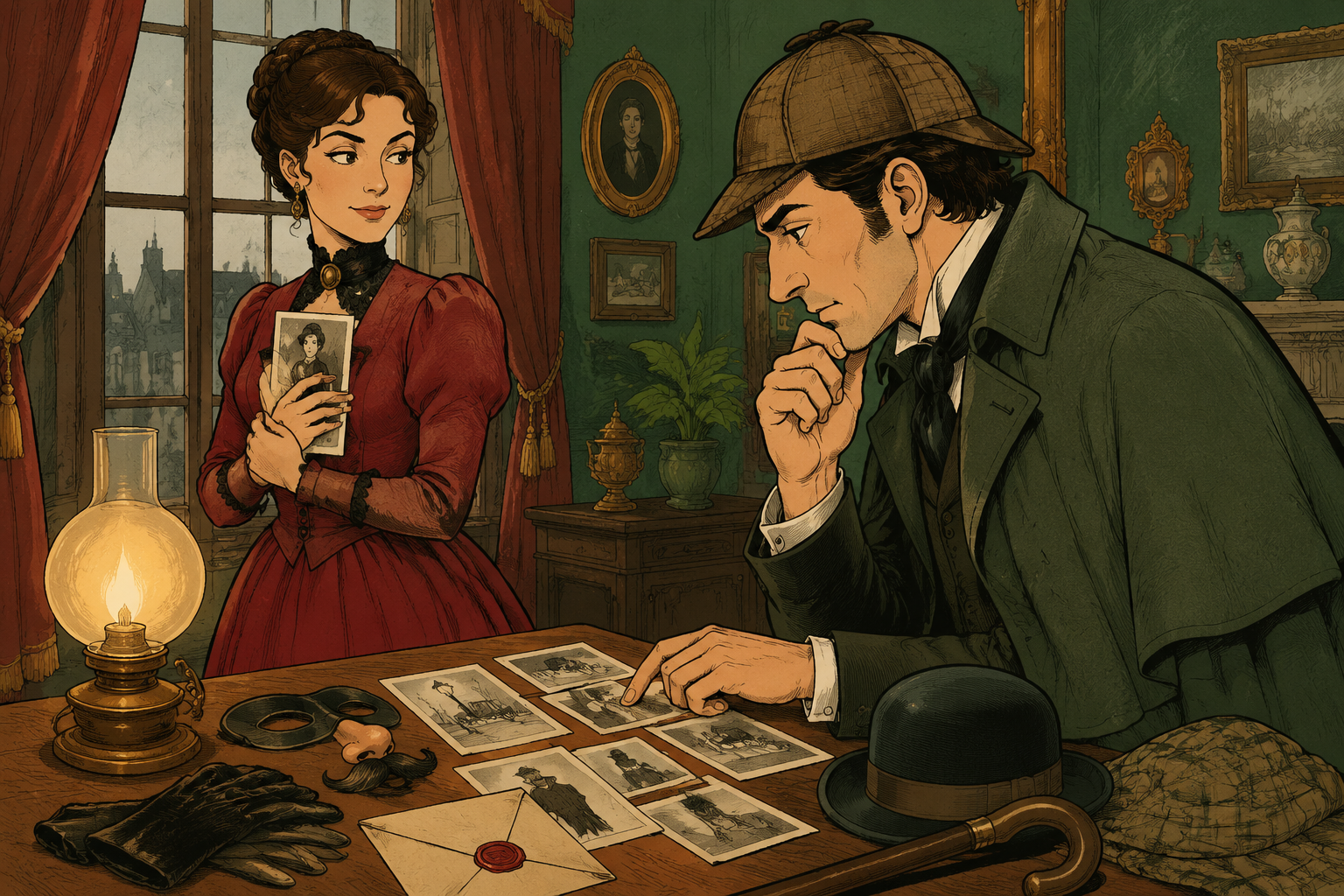
A Scandal in Bohemia I: Follow the Clues

Watch how Holmes moves from a detail to an idea.

Open this week's task

In class

Describe what Holmes sees before saying what he thinks.

After class, 5-8 min

Say one three-step answer: detail, idea, result.

See a sample answer

Notice -> Evidence -> Idea

Holmes watches the visitor's clothes, movement and manner before explaining his conclusion. The method is important: he gathers visible details first.

Second try

Holmes notices several small details, so he can form a stronger idea. The result is a deduction, not a guess.

07
25 Oct

A Scandal in Bohemia II: Irene's Move

Read the case from the other person's point of view.

Open this week's task

In class

Find one action showing that Irene understands the plan.

After class, 5-8 min

Answer “Who is really investigating whom?” and add however.

See a sample answer

Notice -> Evidence -> Idea

Irene changes her behaviour when she sees the disguised visitor. This action suggests that she is alert and understands that someone is watching her.

Second try

Holmes begins the investigation; however, Irene also studies the people around her. She may be investigating him at the same time.

08
01 Nov

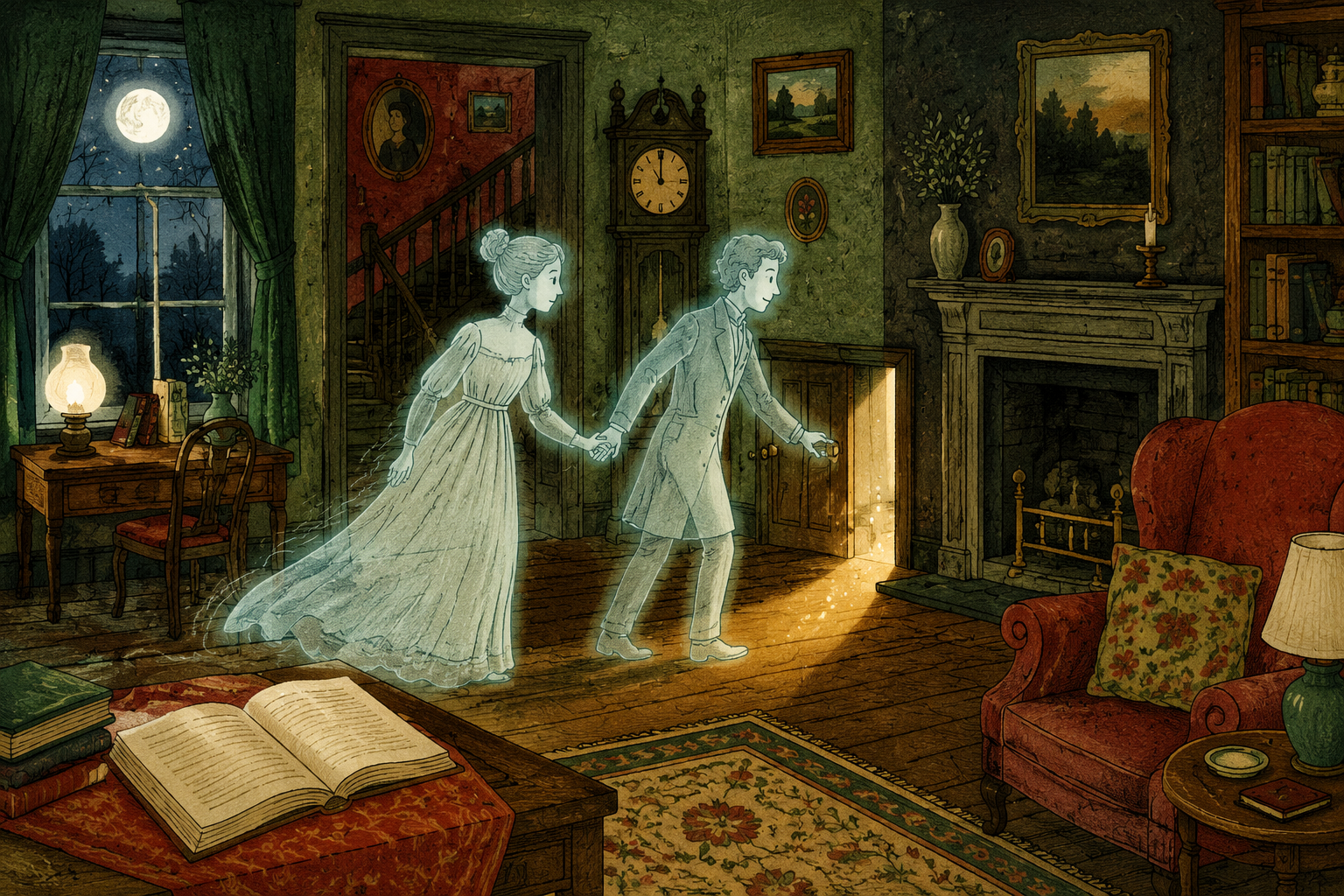
A Haunted House I: A Clue Without a Body

Follow sound, movement and feeling through the house.

Open this week's task

In class

Choose one literal detail and one image that feels symbolic.

After class, 5-8 min

Record a five-second answer and repeat it after changing one word.

See a sample answer

Notice -> Evidence -> Idea

I notice movement through the house, but I do not see a body. The repeated movement feels like evidence of memory rather than a simple physical event.

Second try

The house seems to contain a presence. However, the image may be symbolic, so I will keep both meanings open.

09
08 Nov

A Haunted House II: What Is the Treasure?

Test more than one meaning for the final image.

Open this week's task

In class

Give one possible meaning and one detail that supports it.

After class, 5-8 min

Write 4-6 sentences about what the house may remember.

See a sample answer

Notice -> Evidence -> Idea

The ghostly couple keeps searching from room to room. This repeated action supports the idea that the treasure may be something remembered, not simply an object.

Second try

One possible meaning is love, because the couple continue searching together. The story leaves room for another answer if the detail supports it.

10
15 Nov

Review: Four Kinds of Truth

Compare how the four stories make readers decide.

Open this week's task

In class

Choose two stories and one question they share.

After class, 5-8 min

Give a two-story answer with one phrase from each text.

See a sample answer

Notice -> Evidence -> Idea

All four stories ask readers to interpret evidence, but the evidence is different: a ritual, a voice, a plan or an image. This makes “truth” a reading problem, not only a fact.

Second try

The Lottery and The Tell-Tale Heart both make ordinary details feel dangerous. However, one uses a community ritual and the other uses a troubled voice.

11
22 Nov

Build Your Own Case

Choose one story and make a short personal reading.

Open this week's task

In class

Pick one question, three story details and one possible answer.

After class, 5-8 min

Record a 45-second answer, then record it once more after one correction.

See a sample answer

Notice -> Evidence -> Idea

My question is whether the narrator is reliable. I notice repeated claims of control, and I also notice sudden changes in tone. These details make me think the voice is not fully trustworthy.

Second try

My first idea is that the narrator is unreliable because the tone changes. A clearer answer is that the narrator wants control, but the language reveals fear.

12
29 Nov

Present, Challenge, Repeat

Show how your reading changed across the course.

Open this week's task

In class

Present one clear idea and answer one follow-up question.

After class, 5-8 min

Keep your best answer and write one sentence about what you can now do faster.

See a sample answer

Notice -> Evidence -> Idea

My idea is that careful reading means delaying judgement. I can show this with a detail, explain what it suggests, and name another possible meaning.

Second try

At first, I gave quick answers. Now I can say what I notice, point to evidence, and explain my idea. My answer is stronger because the steps are visible.

02 / Your case work

Jack's next case

I will help you notice one clue, ask one useful question, and build one clear answer. Use this same page before, during and after each story.

Before class

Start small: read the opening, keep three useful words, and bring one question.

In class

Write the detail before the idea. Keep one question open until you find evidence.

After class

Create a short fictional backstory for one character. It does not need to match the original story.

My class replay

Class replay: The Lottery

Week 03: Part Two · A Rule and Its Cost (27 September 2026)

These short clips follow the exact order of Craig's Sunday lesson. Select a week to review key classroom moments, listen for the question, and take notes. Your progress stays on this device.

10 momentsWeChat timeline order0 of 10 class moments reviewed.

Language lab

Turn a good idea into an argument.

In our first class, people already chose a side, gave reasons, used examples and noticed different perspectives. The next move is to explain what an example proves.

StartI think / I agree / I disagree

Say the exact idea first.

ReasonThis is because ...

Finish the reason as a full sentence.

EvidenceFor example, ...

Give one story detail or real example.

MeaningThis suggests that ...

Explain what the detail proves.

Another viewHowever, ...

Name one limit or another possibility.

JudgementSo my conclusion is ...

End with your clearest answer.

Three ways to make an idea stronger

  1. Harm: Who could be hurt by this choice?
  2. Change: Would the idea still work in a changing world?
  3. Perspective: Who may see the same action differently?

From example to reasoning

Too short: “People vote, so it is right.”

Stronger: “Voting can help people make a decision. However, many people agreeing does not prove that nobody is harmed.”

Jack's 5-minute speaking loop

One idea. One repair. One second try.

Do not write a long answer. Start within five seconds. Then make only one change and say it again.

Six lines to remember

Today’s question

Does everyone agreeing make an action right?

Ready
Your two answers save on this device.

03 / Your long-term routine

Keep it short. Keep saying it.

This is the same low-load practice used in the summer: one answer, one small improvement, one second attempt. No long memorisation task.

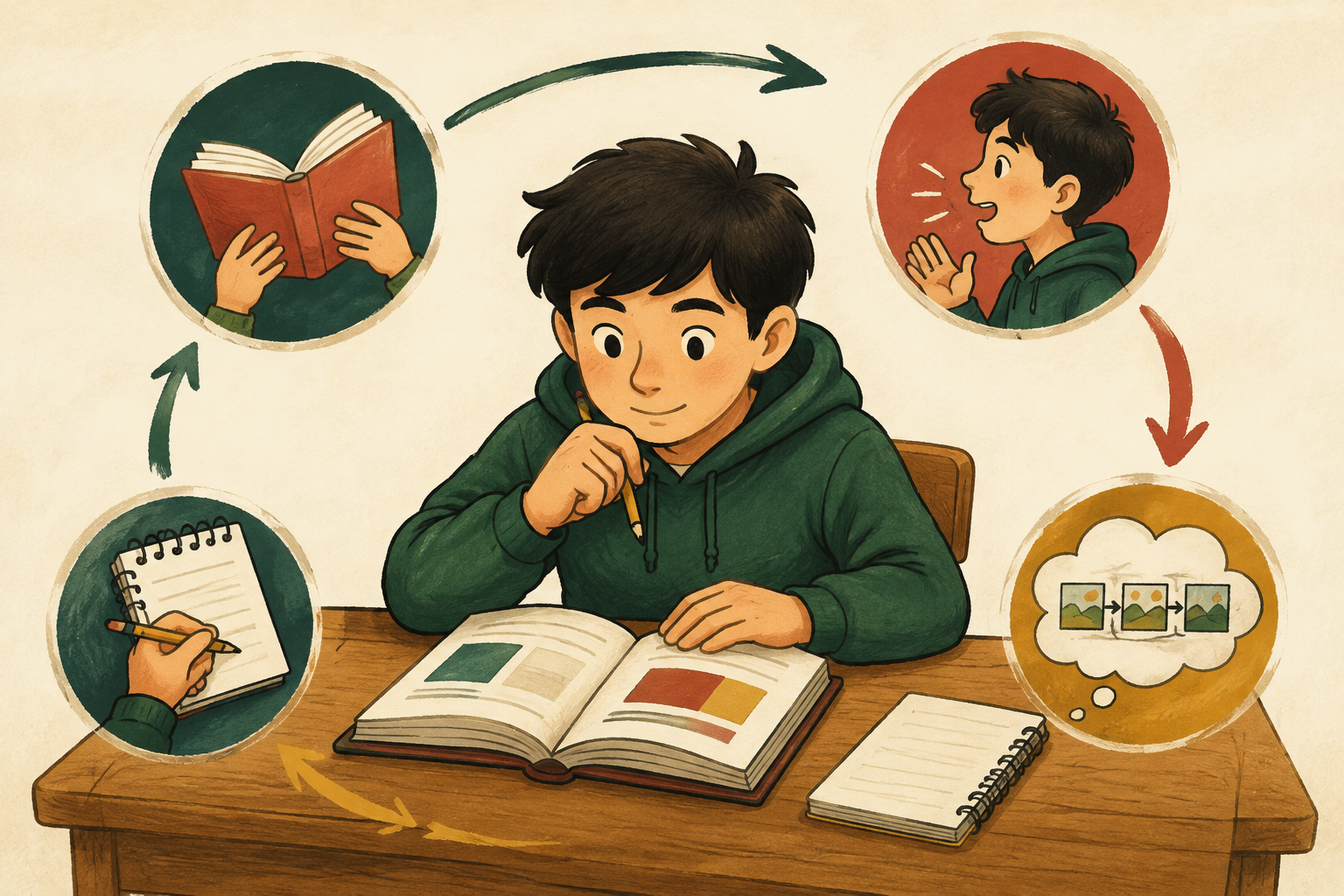
Student reading, noting evidence, answering and retelling in a repeated learning loop
Read, record, retell, repeat. The same small loop continues after every Sunday.